
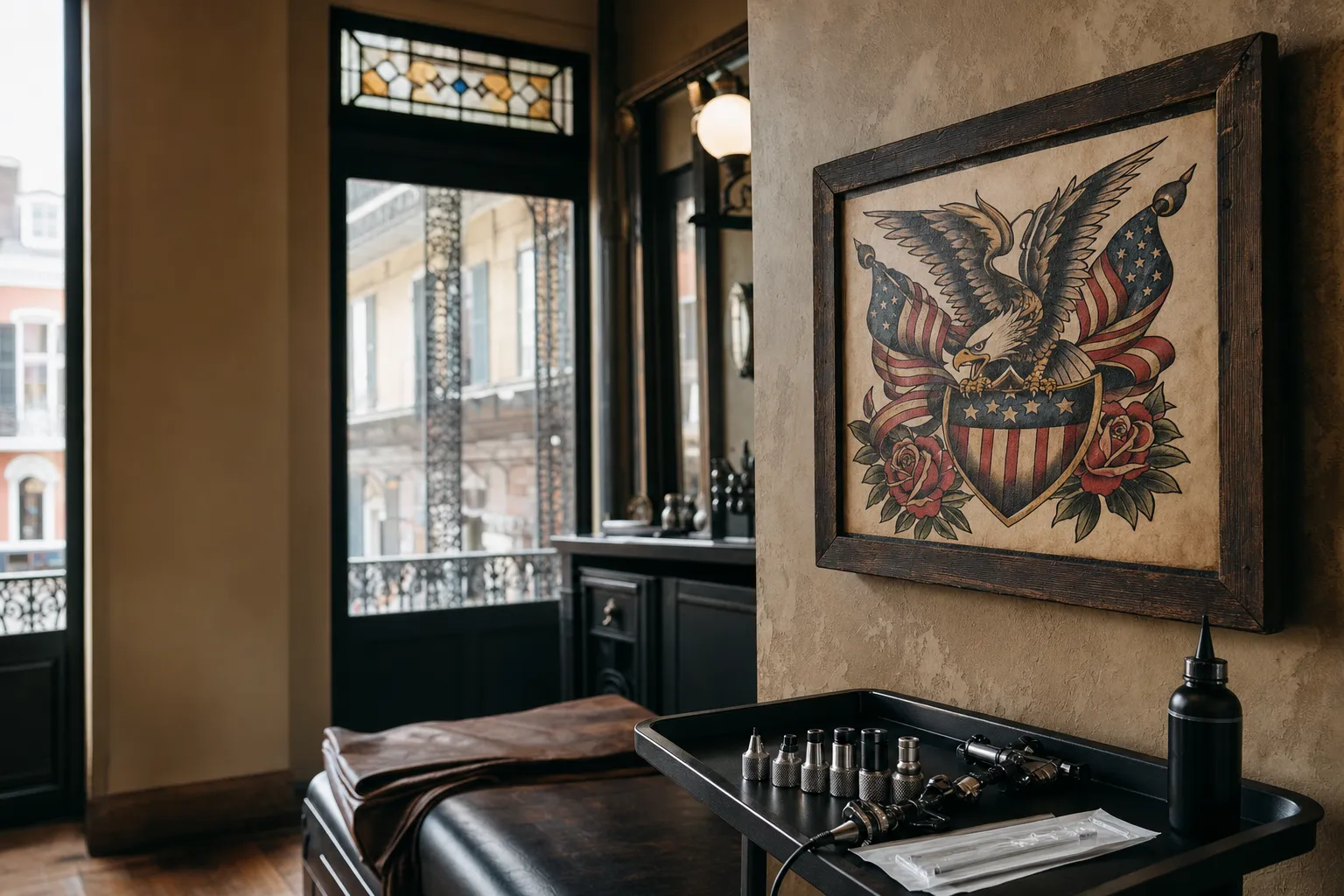
Most people do not have a serious allergic reaction to tattoo ink, but some pigments, especially bright reds and yellows, can cause delayed allergic or hypersensitivity reactions. In this article we explain what causes those reactions, the symptoms to watch for in Timberlane, Louisiana, how Salon De Tatouage reduces risk, and what to do if you suspect a reaction.
How common are tattoo allergies
Allergic reactions to tattoos are uncommon compared with routine irritation and healing redness, but they are well documented in dermatology literature. Reactions range from temporary contact dermatitis to chronic, raised bumps that can appear months or even years after the tattoo. The exact incidence varies by study because reporting is inconsistent, but reputable sources show that color related reactions, particularly to red pigments, are reported more often than reactions to black ink. For an overview of reported complications and clinical guidance, see the American Academy of Dermatology on tattoo complications and a clinical review in the National Library of Medicine.
What causes allergic or reactive skin responses to tattoos
Pigments and additives
Tattoo ink is a mix of pigments, carriers, and additives. Pigments can be organic or metallic, and some colors contain compounds more likely to trigger an immune response. Bright colors, notably red, yellow and green, are most often associated with allergic reactions because of the chemical families they use.
Immune and delayed hypersensitivity
Some reactions are immediate and look like ordinary irritation. Others are delayed type hypersensitivity, where the immune system responds weeks or months after the tattoo. Delayed reactions are often persistent and may show as raised, itchy or scaly areas over the colored pigment.
Other causes that mimic allergy
Not every post tattoo problem is an allergy. Infection, poor aftercare, friction from clothing, and granulomatous inflammation can produce similar signs. That is why accurate diagnosis matters.
Signs and symptoms to watch for
- Persistent itch or burning at the tattoo site beyond the normal healing window
- Raised, lumpy or thickened skin over specific colors
- Redness and swelling that do not improve or that flare after weeks or months
- Blisters or weeping localized to a color area
- Systemic symptoms such as fever suggest infection, not a simple allergic reaction
How Salon De Tatouage reduces the risk
We are the French Quarter tattoo shop for people who want thoughtful, well executed ink. Our artists specialize in custom and fine line work, and we take steps to reduce the chance of reactions without compromising the look of your tattoo.
- We use high quality pigments that reputable suppliers list the ingredients for when available
- All disposable supplies are single use and we follow strict cleanliness to lower infection related complications
- During consultations we discuss known sensitivities and placement choices that reduce friction and irritation
- Artists collaborate with clients to choose color palettes and techniques that meet aesthetic goals while reducing exposure to pigments with a higher reaction profile
Pro tip: If you know you react to metal based jewelry or have a history of skin allergies, mention that when you book your consultation so we can recommend safer color choices and placement.
Before your appointment, a practical checklist
Things to do before you get tattooed
- Tell us about any history of skin allergies, eczema, or reactions to cosmetics and jewelry
- Bring photos or references so we can plan color use and placement that reduce irritation
- Review pigment options during your consultation and ask about alternatives to colors you worry about
- Follow any pre tattoo skin care recommendations on our Pre Tattoo Skin Care page
What to do if you think you are having a reaction
- Assess the timing. If symptoms start within the first few days, irritation or infection is more likely. If a specific color flares weeks or months later, allergy is more likely.
- Protect the area. Keep the tattoo clean and avoid topical products not recommended during healing. Poor aftercare can make any reaction worse.
- Contact a medical professional. If you have spreading redness, fever, or open sores, seek medical care promptly. A clinician can determine whether you need topical steroids, antibiotics, or further testing.
- Talk to us about treatment options and documentation. We can provide details about the pigments and the application for your clinician, and we will work with you on touch up or correction options if treatment requires it.
Watch out: Never attempt to treat a worsening or infected tattoo with home remedies, and do not try to remove or abrade the ink at home. Those actions can make a reaction worse and increase scarring.
Common misconceptions
We hear the same questions from locals and visitors on Bourbon Street and beyond. Clearing these up helps you make a safer choice.
- Black ink is always safe. False. Black is generally lower risk, but black inks can contain additives that cause reactions in rare cases.
- Allergic reactions are always immediate. False. Many allergic responses are delayed and flare much later, sometimes months after the tattoo.
- A reaction means you must remove the tattoo. False. Some reactions respond to medical treatment. Removal is a separate decision and carries its own risks.
Choosing colors and styles if you worry about allergies
If you are concerned about pigment sensitivity, consider these options when you plan your tattoo in New Orleans.
- Limit bright color blocks and choose black and grey shading instead
- Pick placement where the skin is less likely to rub against clothing
- Ask your artist to use color sparingly and build tone with black or grey where possible
For design ideas that work well with restricted palettes, see our Design Inspiration and Fine Line Tattoos pages.
When dermatology becomes part of the process
If a medical provider suspects a pigment allergy they may recommend patch testing, topical steroid therapy, or referral to a dermatologic specialist. The American Academy of Dermatology and clinical reviews in the National Library of Medicine outline diagnostic approaches for persistent reactions and when surgical options are considered.
Local context for Timberlane residents and visitors
We serve clients from the French Quarter and greater New Orleans area, including people traveling from Timberlane, Louisiana. If you are visiting New Orleans for Bourbon Street or other attractions and have a history of skin sensitivity, plan a consultation before your trip. Walk ins are welcome, and our artists balance quick, efficient appointments with careful attention to design and detail so you can make informed, low risk choices.
Key takeaway
Serious allergic reactions to tattoos are uncommon, but certain pigments, especially bright colors, carry higher risk. Discuss any history of skin allergies with us, consider conservative color choices, and seek medical care for persistent or spreading symptoms. Salon De Tatouage focuses on clean, all disposable practices and collaborative design to reduce risk while delivering tattoos that reflect New Orleans character.
Frequently asked questions
Can a tattoo cause an allergic reaction years later?
Yes. Delayed hypersensitivity can appear months or years after the tattoo, most often localized to the specific pigment involved. A dermatologist can help diagnose and recommend treatment.
Are red inks more likely to cause problems?
Red pigments are more often reported in case studies as triggering allergic reactions, though any color can cause a response in an individual. If you are concerned, we can suggest alternative palettes.
Can testing predict whether I will react to a tattoo ink?
Patch testing can sometimes identify reactions to components of inks, but it is not perfect because the ink changes once it is placed in the skin. Discuss testing options with a dermatologist if you have a strong allergy history.
What should I bring to my consultation if I have sensitive skin?
Tell us about any past reactions to tattoos, jewelry, cosmetics, or topical medicines, and bring photos of the look you want. We will review pigment choices and placement with you.
Learn more and read reviews
See our Google Business Profile to read reviews and get directions. For more detailed background, read our topic page on Allergies And Reactions and our Tattoo Shop service page to learn how we work with clients from Timberlane and the greater New Orleans area.